In the United States, each city/town in a given state can have 1 chapter. You must create a chapter to begin volunteering with Tiles for Hope and receive community service hours. Please note, however, that volunteering is not the only activity a given chapter is restricted to – and that you can receive community service hours for a variety of activities. See the courses of action below.
If you would like to apply to be a chapter leader, please (1) check that there does not already exist a chapter in your local area in the list here AND that they offer volunteering opportunities (if they do not, you may create a volunteer chapter); and (2) visit the application form.
Standard Course of Action for Starting a Tiles for Hope Chapter
- Assemble a team of students or volunteer
- You must have at least one leader and one volunteer
- Identify at least ONE initiative that you will begin. These initiatives must fall under the following categories:
- Volunteering; you must identify a partner organization, such as a local senior center or memory care facility of your choosing (see this email template), and set up Mahjong or other board game (of your choice!) volunteer groups to foster intergenerational connections. Our recommendation is to volunteer an average of 1 hour/week at minimum. Please note that the norm, however, is 2 hours/week.
- Advocacy; you must carry out an advocacy project of your own design to raise awareness in your local community about elderly social isolation and neurodegeneration. The most common way that this has been achieved is through social media, but also includes columns in local newspapers or radio shows.
- Social justice; student leaders can use various forms of media (like blog posts, videos, etc.) to combat systemic inequalities affecting seniors, examining issues like ageism, barriers to dementia care, digital exclusion, and differences in access to neurological healthcare. Chapters interested in policy engagement, on the other hand, may also research and campaign against unjust laws that harm older adults, like inadequate economic protections for residents in memory-care facilities.
- Below are existing initiatives if you would like to take inspiration from them to develop yours:
- Volunteering example:
- Students in the past have volunteered at their local retirement home by bringing Mahjong sets to play with the elderly in order to combat isolation.
- Advocacy example:
- A prior advocacy initiative, the Senior Spotlight, involved interviewing seniors about their life stories, editing the interviews, and showcasing the videos to the local community.
- Social justice example:
- This is our platform for essays, reflections, and reports on the social issues affecting seniors, from the gap in digital literacy to ageism. The name alludes to the “gray matter” of the brain (which symbolizes thought, intellect, and empathy) as well as the idea that gray matters as a subject of conversation and care. If you would like to submit a Gray Matters article, please visit the application link.
- Volunteering example:
- After carefully deciding on your goals for your chapter and reviewing the materials, visit the application form to propose your chapter. We will get back to you as soon as possible.
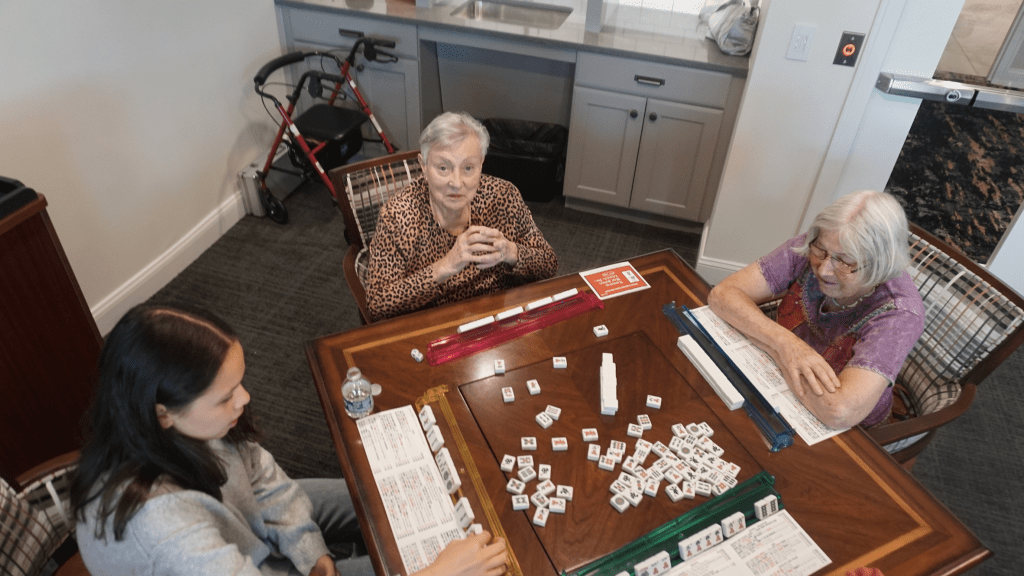
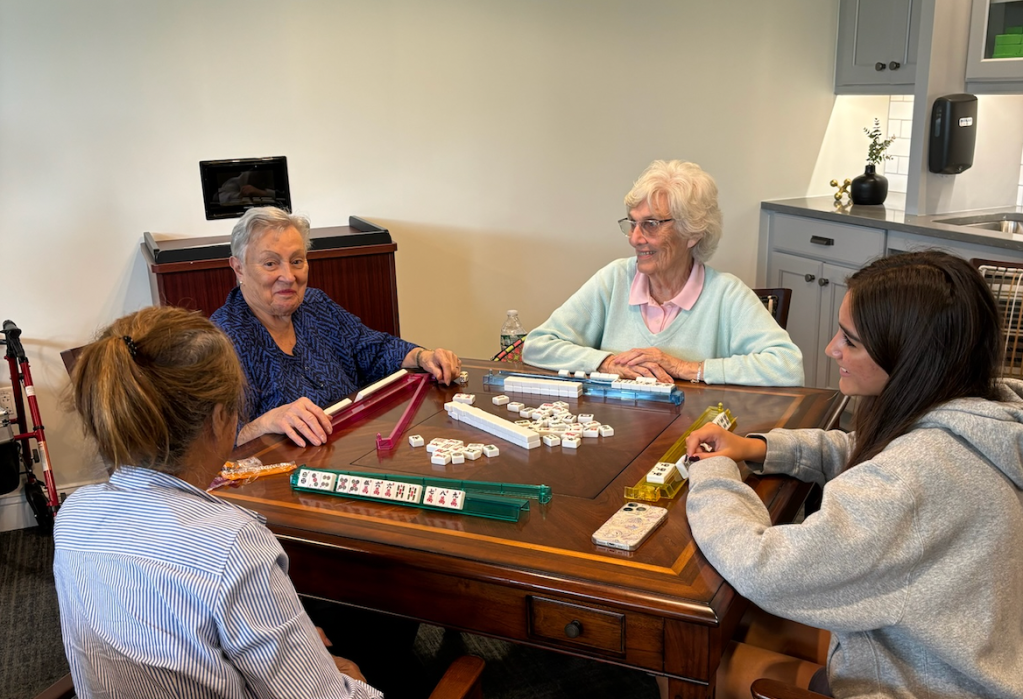
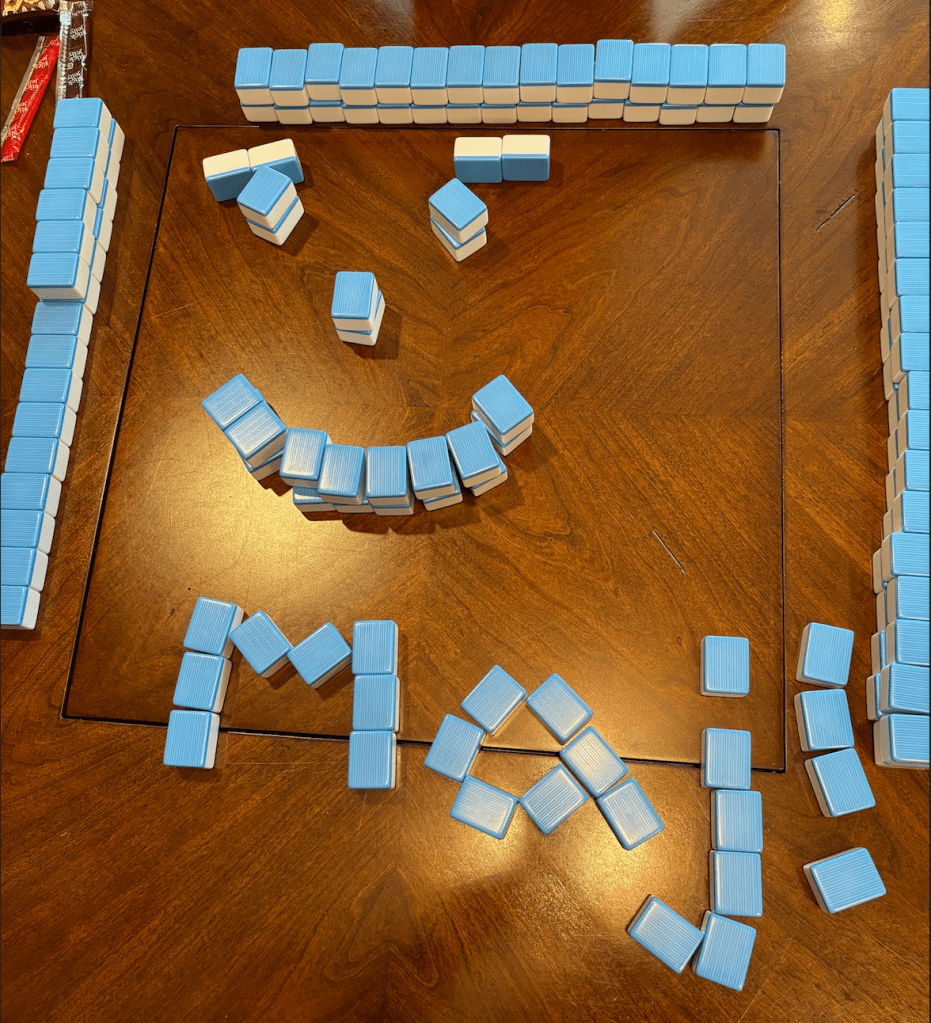
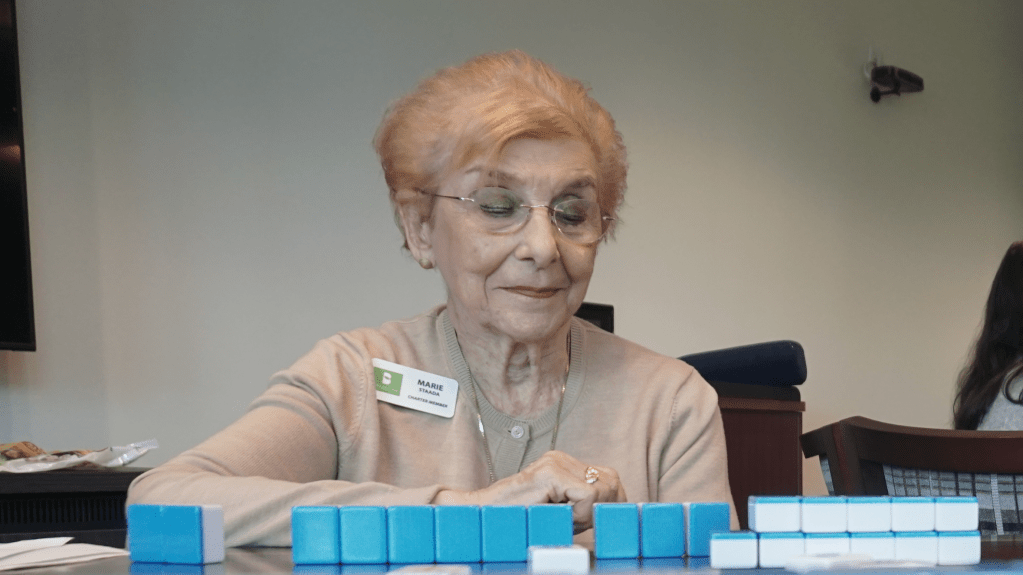
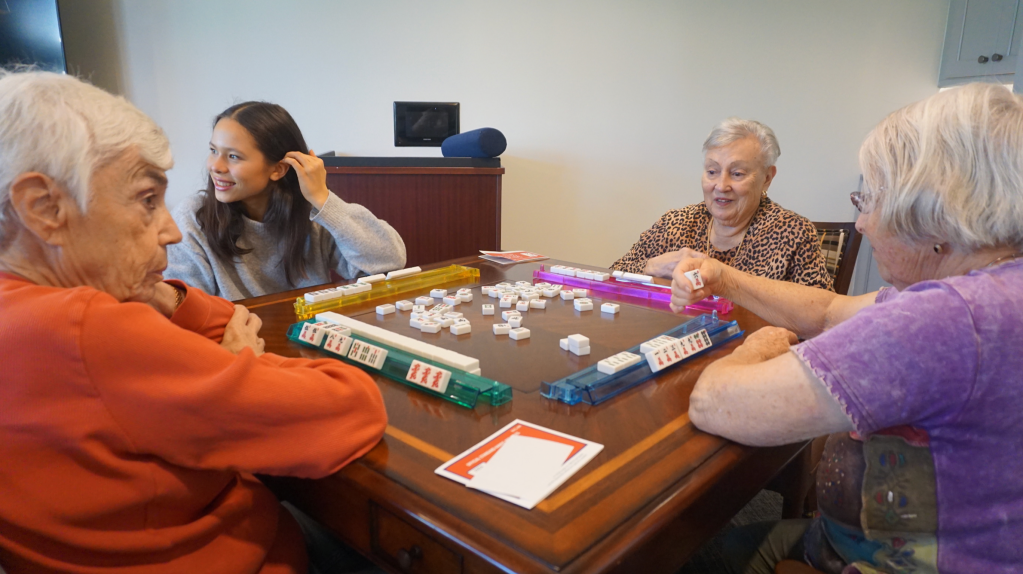
Some scenes from our Rye, NY chapter.
 Tiles For Hope